
Barndominiums continue to be a popular option for a home, cabin, or permanent residence. These…
Equine Building Design
Key Considerations for Planning a Horse Barn
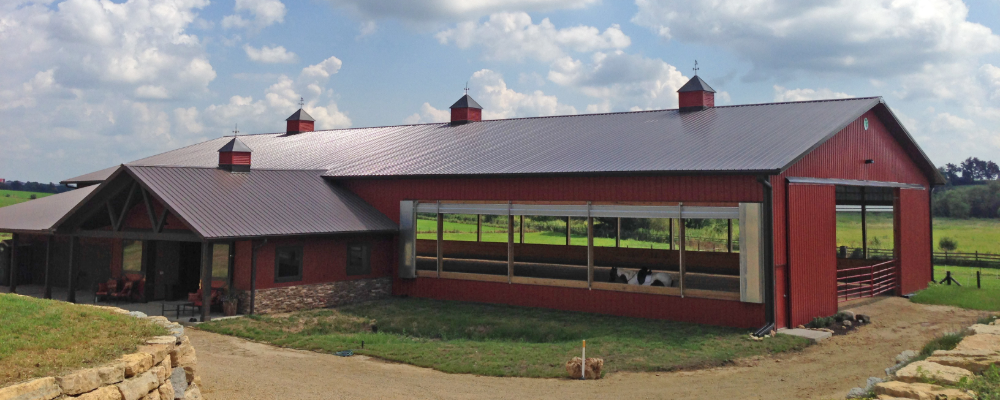
Planning an equine building involves more than meets the eye. Between choosing the right spot on your property, proper ventilation, and designing your building, a few key details play a major role in creating a space that’s practical, efficient, and comfortable for your horses all year-round.
Determining How Your Equine Building Will be Used
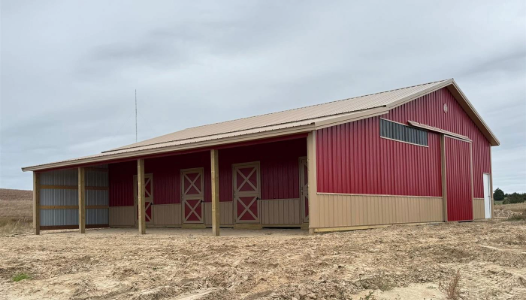
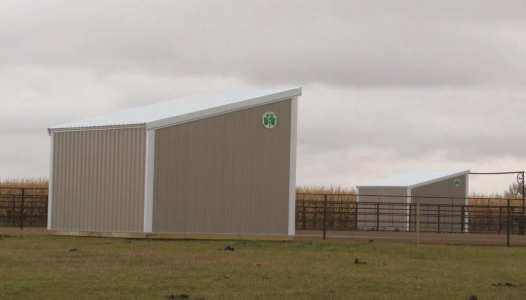
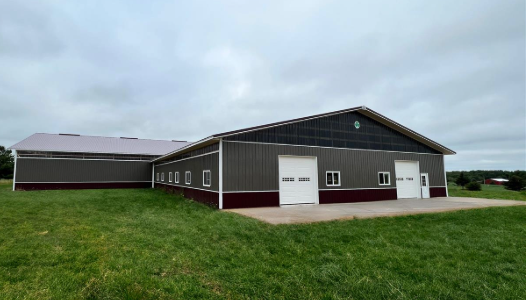
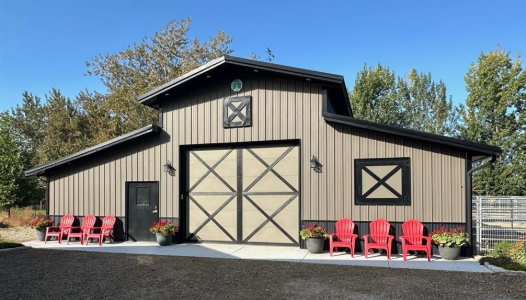
The first step in creating an efficient and comfortable space for your horses is to determine what you will primarily use the building for. Each building use has a different building style that best suits them. Figuring out the exterior style of your building such as a standard gable stall barn, free standing lean, clear span, or elite (monitor) will help you determine the interior layout.
 |
 |
 |
 |
Choosing the Right Location
A key factor in selecting where your building will be built is the natural grading on your property. Placing your new building on a higher spot ensures water drains off and away from your barn and will keep the inside dry and comfortable.
It’s also important to think about the location of your new building relative to all the other buildings on your property. A good question to ask yourself when planning where your building will go is, how will traffic flow from each building to the next? It’s important to think about how far you want your horses to be away from areas like the pasture, round pens, delivery drop offs, and manure areas. This will ensure your existing and new buildings continue to be practical for your day-to-day activities.
Horse Barn Ventilation Considerations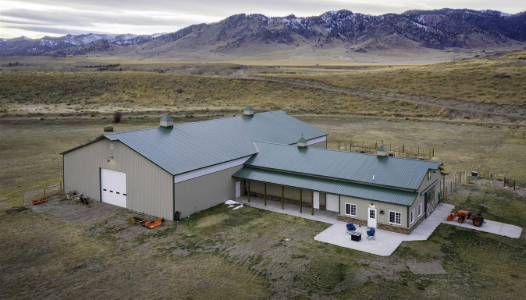
The single most important thing to think about when designing your horse barn, aside from anything that can actually injure the horse, is ventilation. The goal is to provide fresh air into the desired space without making the space drafty. This includes the removal of hot stale air in the summer and moisture, odor, ammonia, and pathogens (dust/mold) in the winter.
A horse is most comfortable between 45 and 75 degrees Fahrenheit. In the winter a horse stall should be about the same temperature as outside yet dry with no condensation dripping from the ceiling. In the summer the stall should be the same temperature as outside but feel cooler because it’s shaded from the sun. Utilizing accessories such as eave extensions, eave openings, peak ventilation, louvers, doors and windows will help to ensure adequate ventilation in all climates.
Designing the Interior of Your Horse Barn
The interior of your barn is where your horses will spend a majority of their time, so the design matters. This is the final step to creating a space that’s practical, efficient, and comfortable for your horses. Between your personal knowledge of the day-to-day routine and your Building Specialist’s insight, the completed horse barn will be designed to function exactly how you need it to.
The table below outlines additional design considerations to help shape the interior of your equine building.
Building Use |
Common Sizes |
Design Options |
Accessories |
Flooring |
| Stalls |
|
|
|
|
| Tack Room |
|
|
|
|
| Wash Stalls |
|
|
|
|
Bringing Your Vision to Life
Careful planning at every stage from selecting the right location to designing an efficient interior layout, helps create an equine facility that supports both horse comfort and every day functionality. When each detail works together, the result is a barn designed to fit your needs today, and adapt as those needs evolve over time.
Ready to Get Started?
If you’re considering a building project, start by having a conversation. Schedule a free consultation with your local Cleary Building Specialist to translate your needs into a customized solution.